About
What you need to know about Caluanie
Description
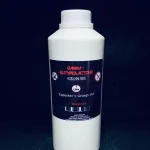
Caluanie is known primarily for its use in various industrial applications. It is chiefly employed as a metal crushing chemical that facilitates the breaking down of harder materials into finer forms. This potent substance is utilized in processes where intense energy is required, such as the mining and metallurgy industries. Additionally, Caluanie is applied in the smoothing of steel and other metals, making it a valuable aide for metal workers and fabricators. It possesses the ability to penetrate and degrade tough bonding agents found in metals, effectively reducing the material into a more manageable state. Although effective, Caluanie must be handled with extreme caution due to its toxic nature. Proper protective equipment and safety measures are mandatory to prevent harm, as the chemical poses significant risks to both human health and the environment when mishandled.
In addition to its industrial applications, Caluanie has drawn attention from researchers in various scientific fields. Its unique properties are being examined for potential uses in chemical synthesis and materials science. However, despite its versatility, the handling and disposal of Caluanie pose considerable environmental challenges. Strict regulations govern its use to prevent contamination of soil and water sources.
Currently, efforts are underway to develop safer alternatives that can mimic the effectiveness of Caluanie without the inherent hazards. Scientists are exploring a range of biochemicals and eco-friendly compounds that could potentially replace Caluanie in metal processing and other demanding industrial tasks. As the quest for sustainable and safe industrial chemicals continues, the future may hold safer options that balance efficacy with environmental and human safety.
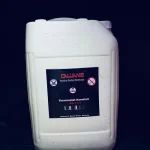
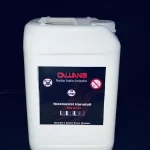
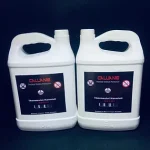
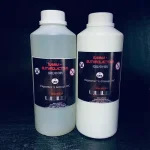
Other Products We Sell
Gamma-Butyrolactone (GBL) and Gamma-Hydroxybutyrate (GHB) are closely related chemicals with various applications and potential for misuse. GBL is an organic solvent commonly utilized in industrial settings as a paint stripper, stain remover, and degreasing agent. When ingested, GBL converts into GHB through metabolism within the body. GHB, meanwhile, is used medically under strict regulation for the treatment of narcolepsy and alcohol dependence, owing to its sedative and anaesthetic properties. However, both GBL and GHB are known for their potential for abuse, often referred to as “club drugs” due to their prevalence in party scenes. Misuse of these substances can lead to severe health risks, including unconsciousness, respiratory depression, and even fatal overdose. As such, they are subject to rigorous legal control in many countries to prevent illegal distribution and consumption.
Despite their potential for misuse, GBL and GHB have also shown promise in various medical and scientific applications. Research has suggested that GHB may be effective in the treatment of certain types of depression, as well as reducing symptoms of fibromyalgia and chronic fatigue syndrome. Additionally, studies have explored its potential use in managing symptoms of Parkinson’s disease and promoting muscle growth